Bodrum Municipality has concluded a comprehensive series of urban maintenance projects during the first half of 2026, targeting the physical infrastructure and public amenities that residents use daily. The Support Services Directorate managed these operations, which spanned from the production of new street furniture to the repair of critical electrical systems across the entire peninsula. According to the Bodrum Municipality News item, these efforts are part of a broader strategy to improve the functionality and order of the district as it handles the demands of both the local population and seasonal visitors.
Public Seating and Street Furniture Production
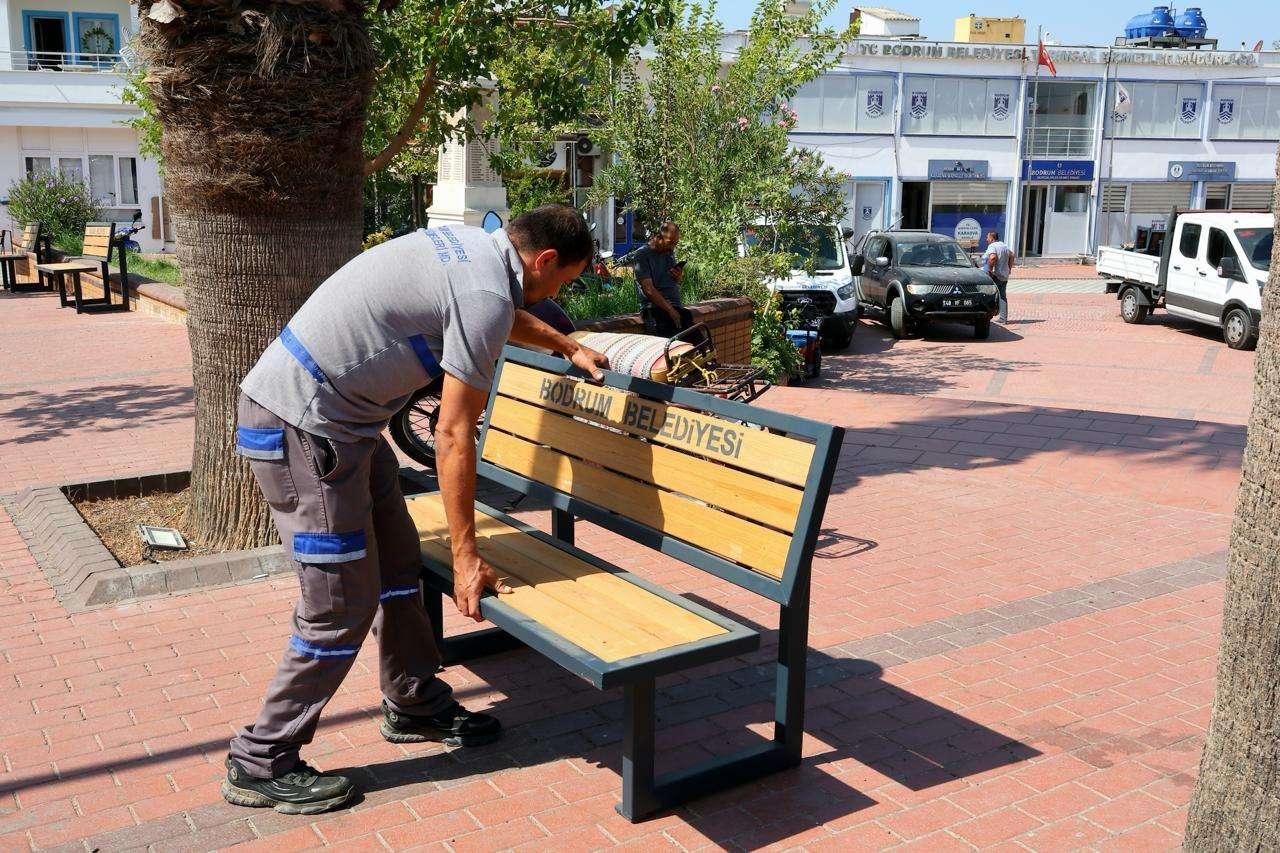
A significant portion of the recent work focused on social areas where residents gather. The municipality reported the production, maintenance, or repair of 194 benches and 58 picnic tables. These items were distributed to parks and public squares to ensure that outdoor spaces remain accessible and comfortable. In addition to seating, the teams manufactured and installed 96 waste bins and 71 ashtrays to help manage litter in high-traffic zones. To add greenery to paved areas, 49 wooden planters were also produced and placed in strategic locations.
These furniture items are often subjected to heavy use and coastal weather conditions, requiring constant attention from the municipal workshops. By producing these items in-house, the directorate maintains better control over the quality and cost of the materials used. This local production cycle is a staple of local news updates regarding how the city manages its budget while addressing the immediate needs of the neighborhoods. The focus on wooden materials for planters and benches reflects a continued preference for traditional aesthetics that match the local architectural style of the region.
Electrical Repairs and Lighting Infrastructure
Safety in public spaces at night depends heavily on the reliability of the lighting grid. Between January and June 2026, the municipality installed 98 new lighting poles and 225 fixtures. Beyond new installations, the electrical teams were tasked with a high volume of maintenance work. A total of 1,249 electrical maintenance and fault response operations were completed across the peninsula during this six-month window. These interventions often involve fixing wiring issues caused by weather or replacing aging components in older neighborhoods.
Lighting is not just about visibility; it is a core component of urban safety. The municipality also prioritized the disaster and emergency announcement systems, which are vital for public communication during extreme weather events or other emergencies. Teams responded to faults in 264 announcement receiver units and added 57 new units to the existing network. This expansion ensures that a larger percentage of the population can receive official alerts in real time, reducing the reliance on digital-only communication which can fail during power outages.
Drainage Systems and Roadside Maintenance
Infrastructure beneath the surface received equal attention to prevent flooding and ensure proper water management. The Support Services Directorate produced 78 drainage grate frames and performed maintenance on 63 existing grates. These grates are essential for directing rainwater away from road surfaces, particularly in the hilly terrain of the peninsula where runoff can quickly accumulate. Proper drainage maintenance is a recurring theme in local guides for homeowners who need to understand how the city manages seasonal rainfall.
On the surface, the painting and whitewashing unit worked to maintain the visual cleanliness of the district. This included the removal of unauthorized writing and paint from 19 different locations, including public buildings, walls, and parks. The aesthetic upkeep extended to the roadsides, where teams painted 3,000 meters of kerbs. This task is not merely decorative; freshly painted kerbs improve visibility for drivers at night and help define pedestrian boundaries in busy commercial areas. The removal of graffiti and the refreshing of public walls are part of a continuous effort to prevent urban decay in the more densely populated parts of the district.
Animal Welfare and Future Planning
The municipality also addressed the needs of the local stray animal population by maintaining the infrastructure that supports them. Maintenance and renewal works were completed on 14 automatic water dispensers used by stray animals. These units provide a consistent water source, which is especially important during the hot summer months when natural water sources dry up. Ensuring these dispensers remain functional is a specific responsibility of the Support Services Directorate, working in coordination with local animal welfare initiatives.
As the second half of 2026 begins, the municipality has indicated that these production and repair activities will continue according to a pre-planned schedule. The goal remains the same: to ensure that the daily life of residents is supported by functional public furniture, reliable lighting, and clear drainage systems. The directorate will continue to monitor requests from different neighborhoods to prioritize repairs where they are most needed. These ongoing works represent the technical side of city management that keeps the peninsula running behind the scenes.